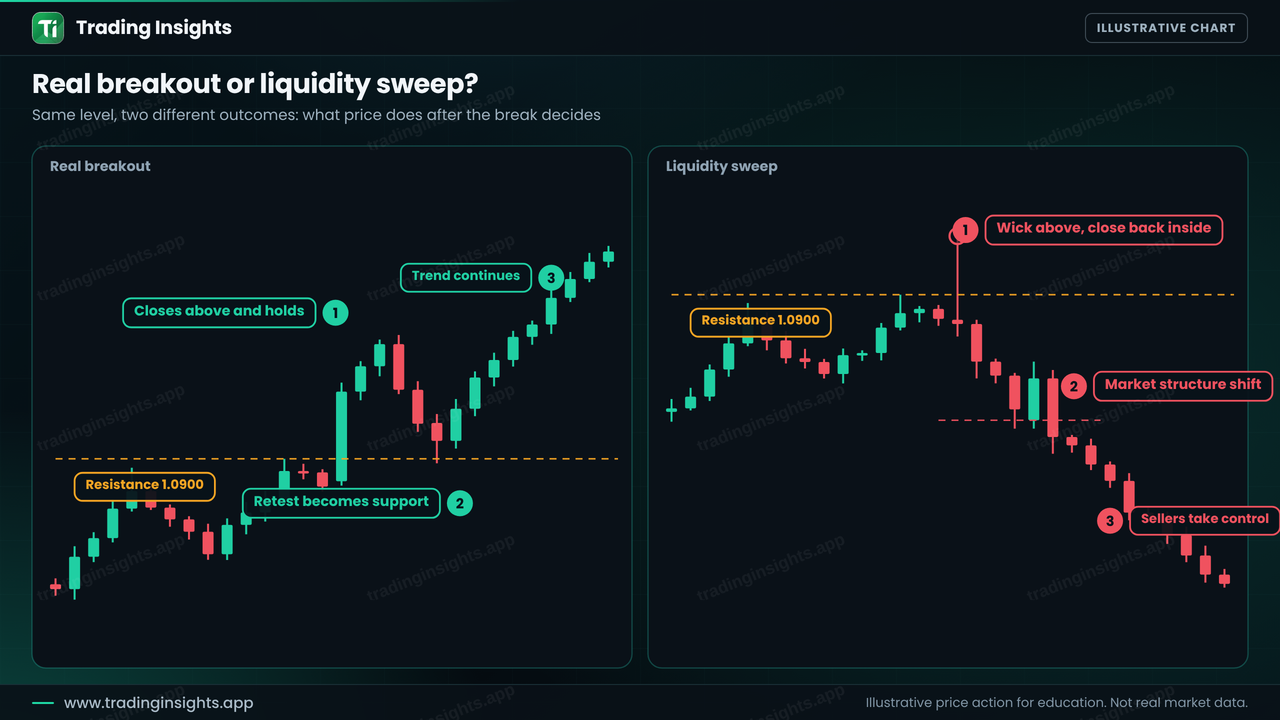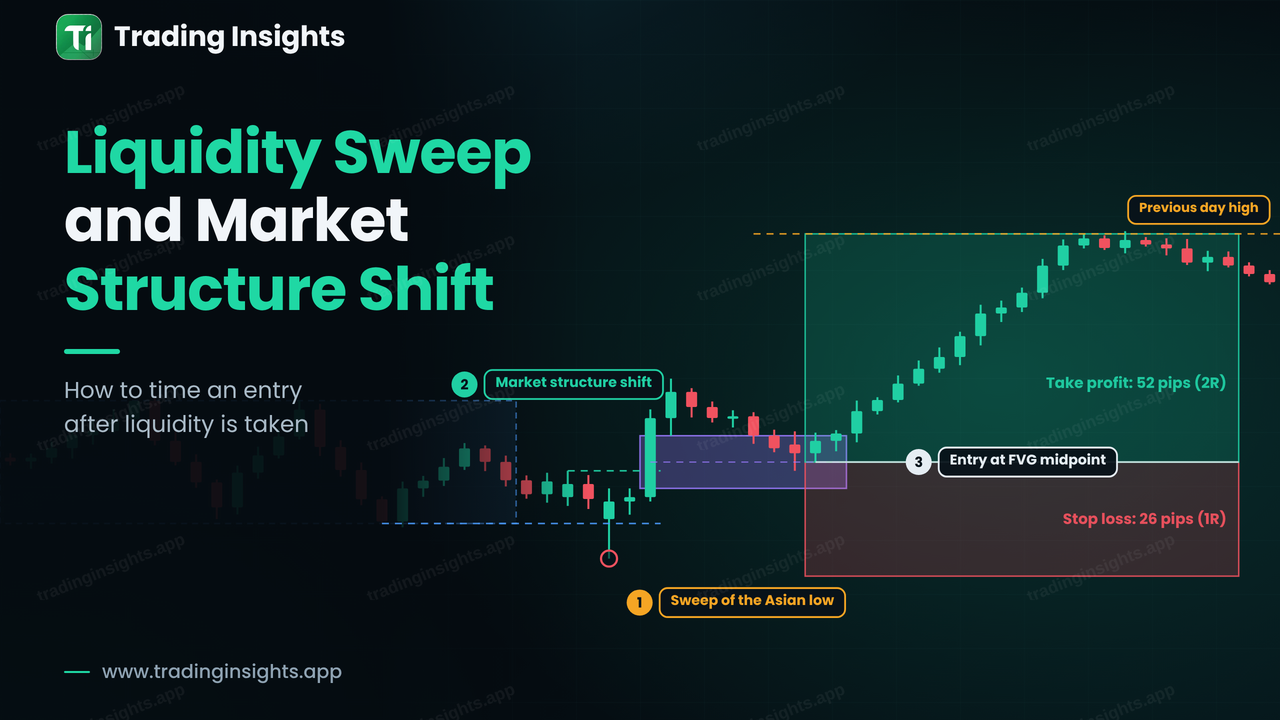
A liquidity sweep is a quick move beyond an obvious high or low that takes the stop orders resting there and then reverses. A market structure shift (MSS) is the first sign that the reversal is real, because price breaks the structure in the opposite direction. The entry sits between the two: you do not trade the sweep itself, you wait for the shift and then enter on a pullback. This guide shows how to do that, how to tell a sweep from a real breakout, and how to define risk before you click anything.
What a liquidity sweep is, and why price goes there
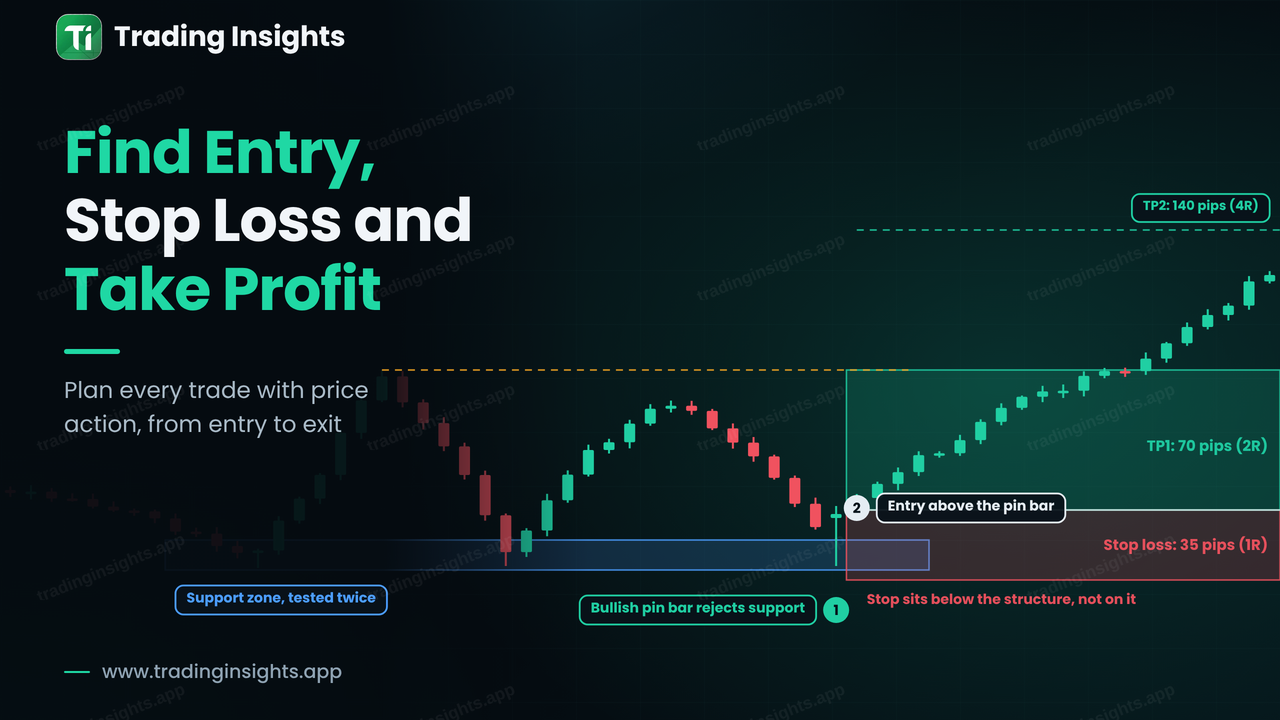
Many traders place stop losses just above recent highs and just below recent lows. Breakout traders also place entry orders at the same spots. Those clusters form pools of orders, and larger participants need orders to trade against. When price reaches the pool, orders are triggered and price may reverse quickly if there is no follow-through. That reversal is what traders call a sweep or a stop run. A good background read is what a liquidity pool is, together with equal highs and equal lows, which are the most common targets.
Not every move beyond a high is a sweep. What makes it a sweep is what happens next: price closes back inside the old range and then shows a change in behaviour. If you are unsure about the difference between a sweep and an inducement, read inducement vs liquidity sweep.
What a market structure shift confirms
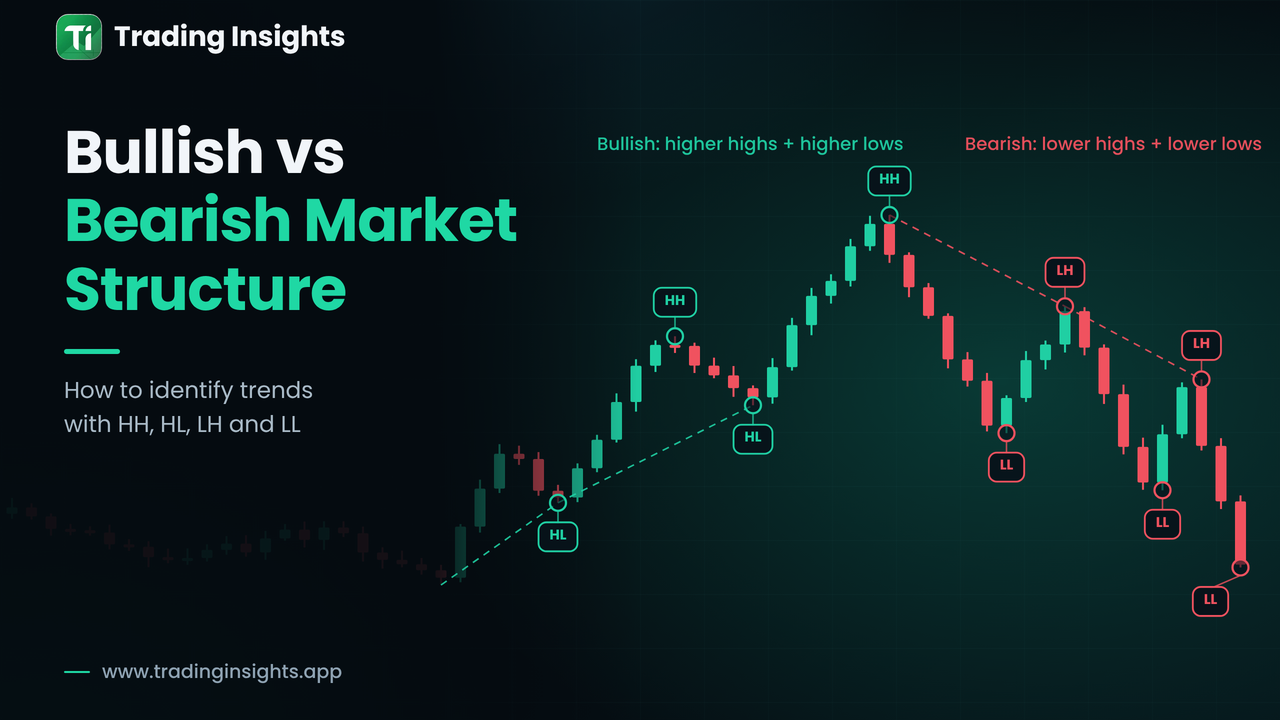
A market structure shift is a close beyond the most recent swing in the opposite direction. After a sweep of a low, the shift is a close above the last lower high. After a sweep of a high, it is a close below the last higher low. It tells you that sellers (or buyers) who controlled the previous move have lost control, at least for now. For the groundwork, see what market structure is.
The quality of the shift matters. Strong shifts come with displacement: large candles, small wicks, and a close near the high or low. A shift made of small overlapping candles is weaker, and you can learn how to judge this in what a displacement candle is.
The three-part entry sequence
Locate the liquidity: mark an obvious level such as the Asian session low, the previous day high or equal highs.
Wait for the sweep and the shift: price must take the level, close back inside, and then break structure in the opposite direction.
Enter on the pullback: use the retest of the fair value gap or the origin of the move, not the break itself.
Bullish example: Asian low swept at the London open
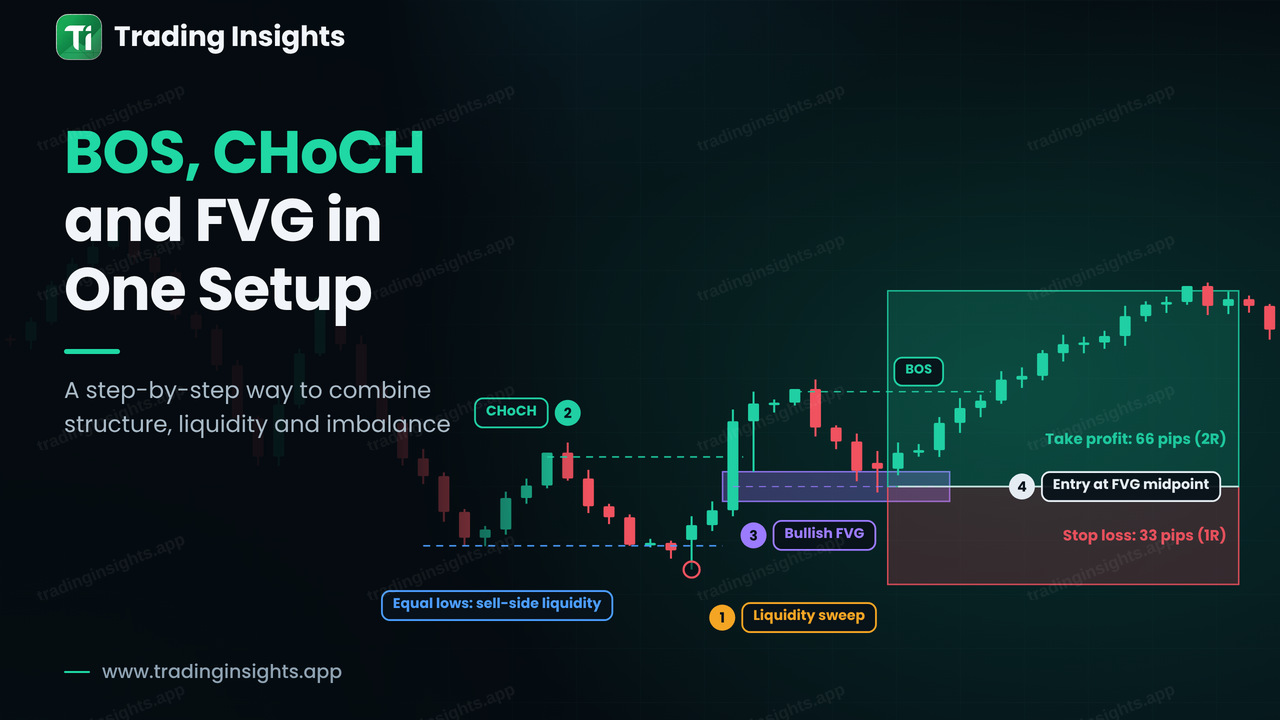
On EUR/USD M15, price builds a quiet range during the Asian session. When London opens, price drops below the range low, takes the stops, and closes back inside. Soon after, a strong candle breaks the last lower high and leaves a gap. That is the shift.
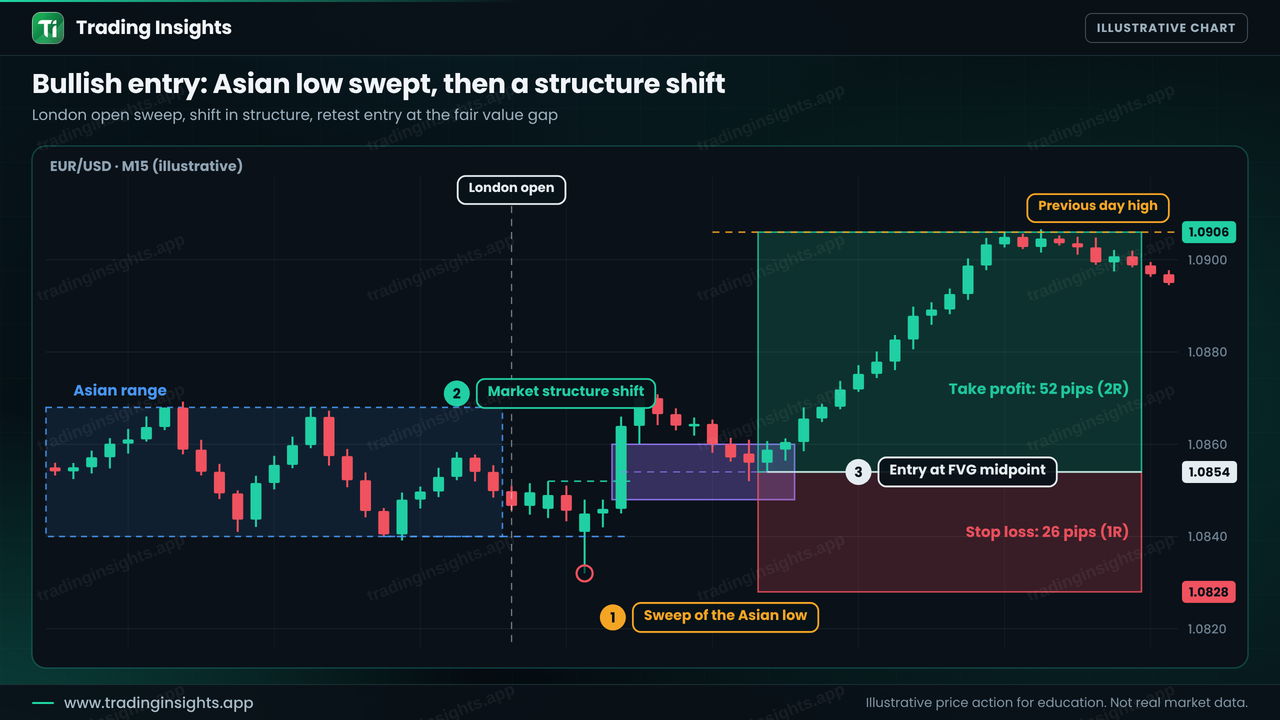
Figure 1: The Asian low is swept, structure shifts up, and the entry is placed at the FVG midpoint.
The numbers: entry 1.0854, stop loss 1.0828 beyond the sweep (26 pips) and take profit 1.0906 at the previous day high (52 pips). The ratio is 1:2. If price had closed below the sweep low again, the idea would have been invalid. For background on session ranges, see forex trading sessions explained.
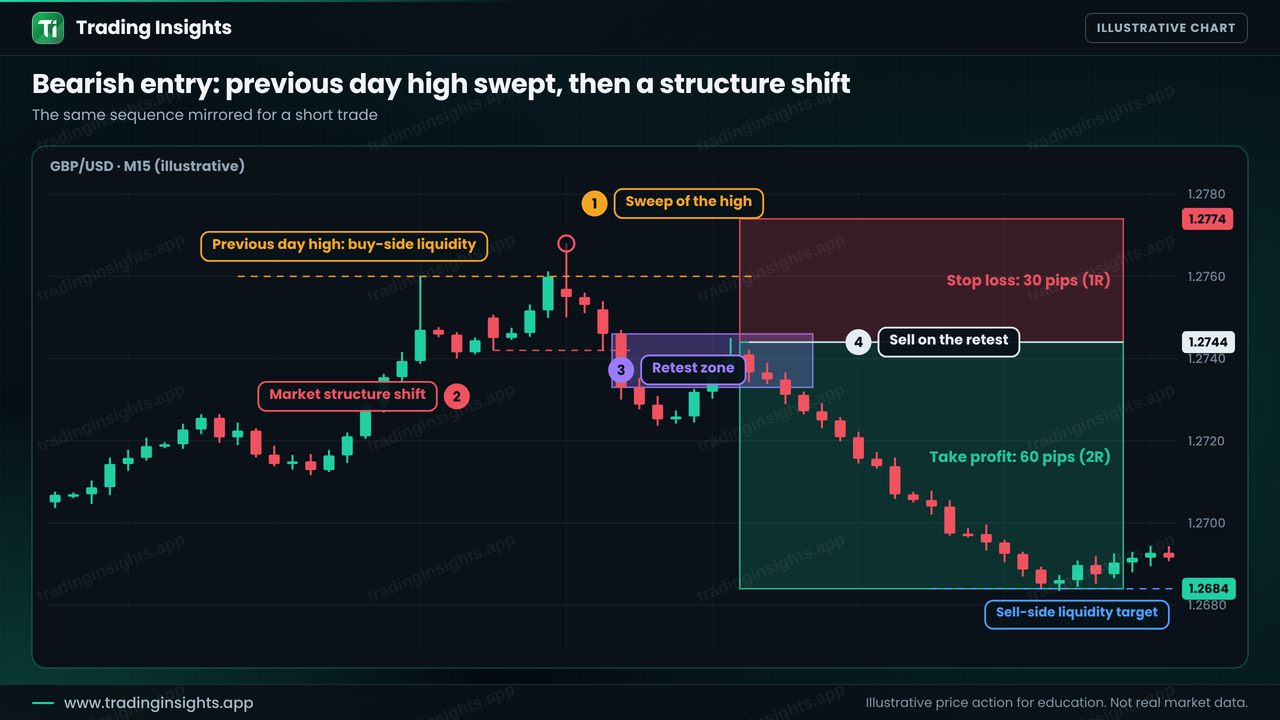
Bearish example: previous day high swept, then a shift down
The same logic works for sellers. On GBP/USD M15, price pushes above the previous day high, then closes back under it. A strong move breaks the last higher low, and you sell the retest zone.